CAATE Foundation Pathway to Practice 2025-2026 Award Winners
Meet Alyssa Marie Martinez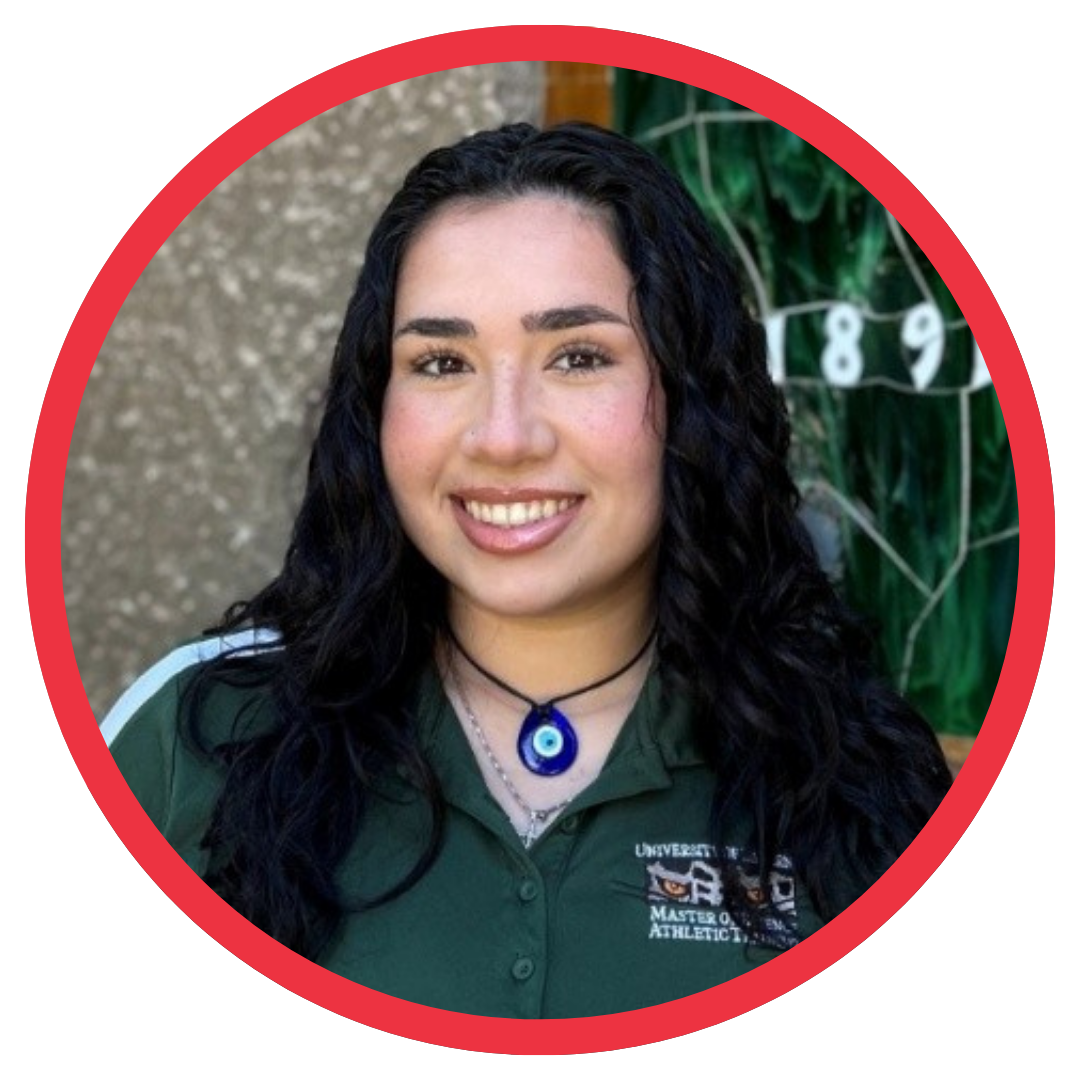
University of La Verne
Q: Describe your path toward becoming an athletic trainer. How do you envision contributing to the profession and fostering its development in the future?
A: My journey toward athletic training has been shaped by both personal and professional experiences. As a student intern at Bonita High School, I assisted with sports including football, wrestling, and soccer, gaining hands on exposure to injury evaluation, rehabilitation, and athlete care. Working under certified athletic trainers strengthened my passion for supporting athletes physically and emotionally during recovery. As a first generation Latina, I have faced challenges balancing academics, work, and family responsibilities, but those experiences instilled perseverance and compassion, qualities I carry into the field. Looking ahead, I hope to contribute by advocating for evidence-based injury prevention programs, especially for female athletes who face greater risks of ACL injuries. My thesis research on stretching and rehabilitation reflects this commitment to combining science with practice. I also want to advance the profession by prioritizing athletes’ mental health, recognizing that recovery is more than physical healing. My long term goal is to become both a clinician and mentor, serving as a resource for athletes of all backgrounds while helping expand the reach of athletic training in diverse communities. Through service, advocacy, and research, I aim to foster the continued growth of this vital profession.
Q: What unique experiences or perspectives will you bring to the field of athletic training that will enhance your ability to connect with patients and advance the profession?
A: I bring resilience, cultural awareness, and hands on experience that will enhance my ability to connect with athletes and contribute to the profession. As a first generation Latina and the oldest sibling in my family, I know the importance of advocacy, communication, and being a support system for others. Balancing academics, a work study job, and family responsibilities, including helping raise my younger sister, taught me how to empathize with individuals managing challenges on and off the field. Professionally, my internship at Bonita High School provided valuable exposure to evaluation and treatment under the guidance of certified athletic trainers. These moments revealed the importance of adaptability, patience, and compassion in caring for athletes during stressful situations. Beyond technical skills, I bring an understanding that athletes are more than their injuries they are individuals with goals, pressures, and identities that deserve acknowledgment. By combining clinical training with cultural competence, I hope to broaden access to care and help athletes feel seen and supported. I also aspire to mentor future students, encouraging diverse voices within the field. My background positions me to bridge gaps, foster trust, and contribute meaningfully to advancing athletic training.
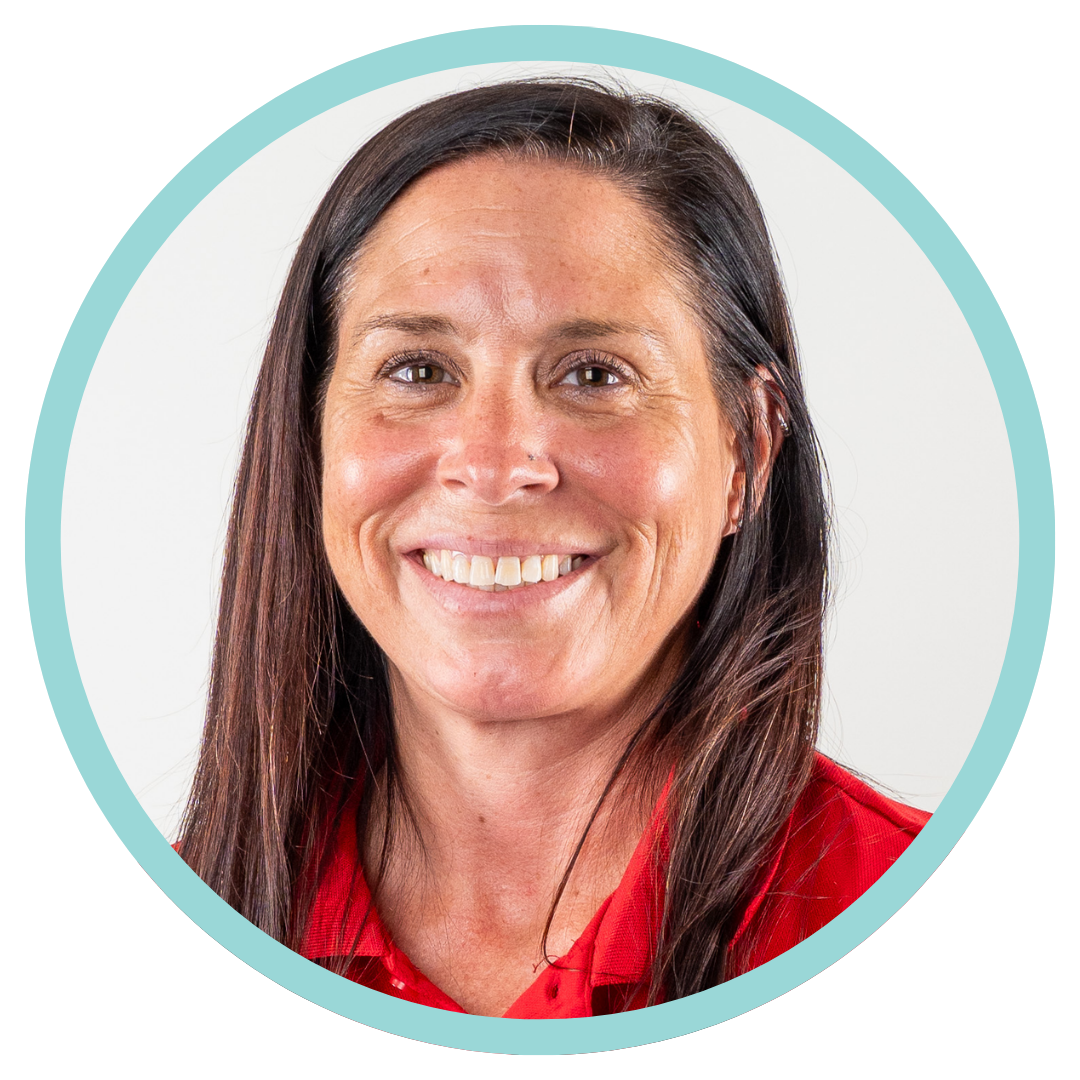 Meet Stephanie Mangrum
Fresno State University
Q: Describe your path toward becoming an athletic trainer. How do you envision contributing to the profession and fostering its development in the future?
A: I discovered the profession of Athletic training through junior college electives while pursuing a degree in Kinesiology. I realized that Athletic Training was the path I wanted to follow and began my journey. Now 10 years later I have the opportunity to pursue my dream. I am passionate about working within my community especially with youth sports and supporting the local young athletes in public school. My goal is to assist these athletes to become the best they can be, keeping them as injury free as possible, and assisting them with their rehabilitation. My desire is to advocate for them to get the support they need to be successful but also teach them how to advocate for themselves.
Q: What unique experiences or perspectives will you bring to the field of athletic training that will enhance your ability to connect with patients and advance the profession?
A: As a mother of three, I believe my skills in parenting will assist me to connect with athletes. Raising my children and interacting with their friends in the community has helped me develop good listening skills and the ability to build trusting relationships. Being involved in the local sports community, especially through my son's athletic journey, has also given me valuable insight into where advocacy is needed and how to best support young athletes. I also believe that my 13 years of Classical Pilates training and work helps to give me a unique perspective on rehabilitation and treating the whole person.
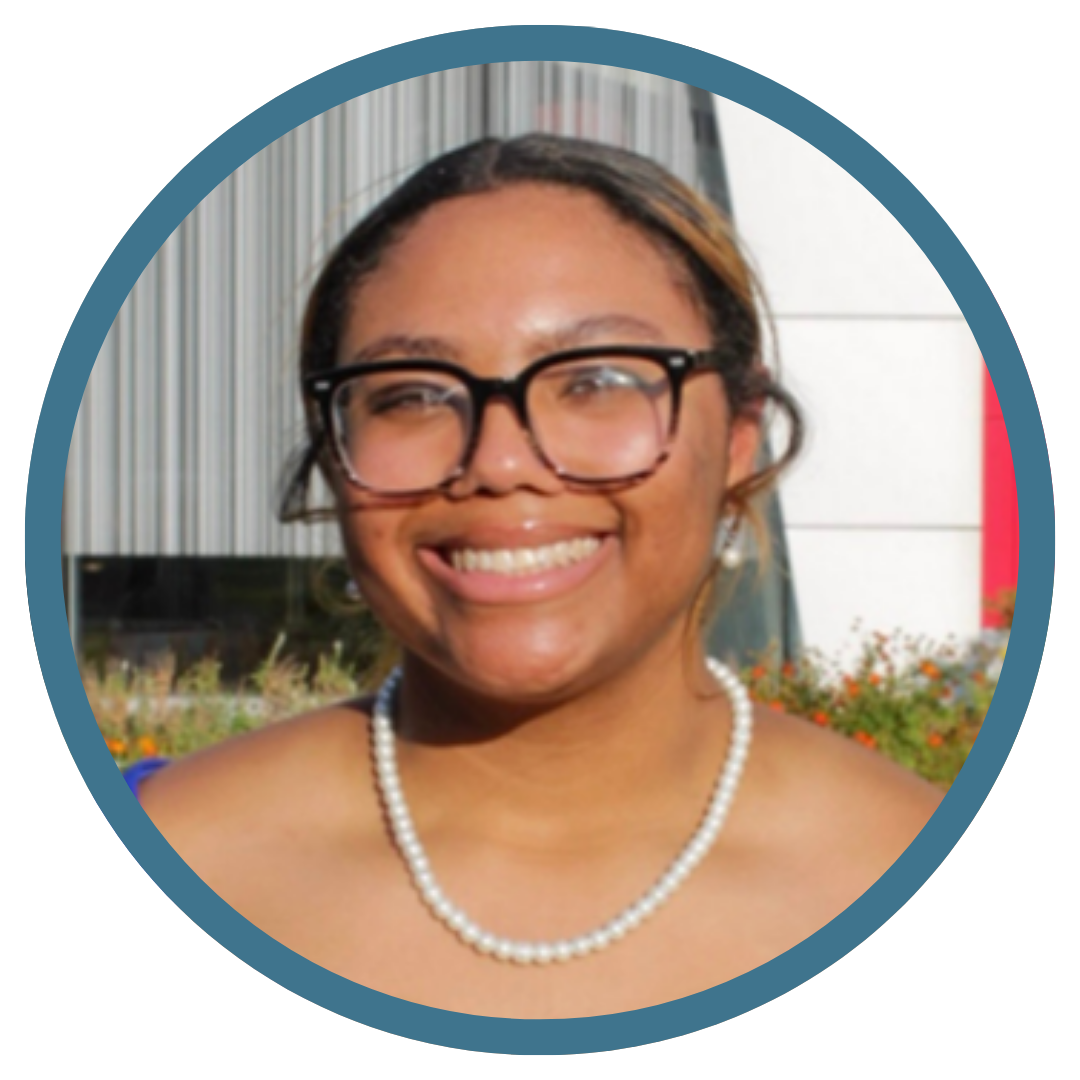
Meet Janaya McCray-Boston
Temple University
Q: Describe your path toward becoming an athletic trainer. How do you envision contributing to the profession and fostering its development in the future?
A: My path toward becoming an athletic trainer began during my freshman year of college. Although sports have always been an important part of my life, it was not until I experienced firsthand the impact of having an athletic trainer at my school that I recognized the value of this profession. Growing up in a low-income community, access to athletic trainers was rare, but when we had the opportunity, it made a lasting difference in our safety, recovery, and overall confidence. That experience sparked my passion to ensure others, especially young athletes, receive the same support and resources. To build on this passion, I sought experiences that combined both technical knowledge and leadership. While working with Temple’s ROTC program, I instructed cadets on proper training techniques, helped them prepare for their fitness tests, and developed strong communication and instructional skills. Including my past internship with University of Pennsylvania’s strength and conditioning staff further deepened my understanding of performance, rehabilitation, and injury prevention. Looking ahead, I aspire to contribute to the profession by addressing disparities in access to care, particularly in underserved communities. My goal is to advance the field by advocating for accessibility, mentoring future professionals, and helping athletes stay healthy.
Q: What unique experiences or perspectives will you bring to the field of athletic training that will enhance your ability to connect with patients and advance the profession?
A: What makes my perspective unique in athletic training is the variety of roles I have taken on that blend leadership, mentorship, and direct experience with athletes. During my time with Temple’s ROTC program, I was not only responsible for guiding cadets through physical training but also for creating individualized strategies to help them succeed on their Army Combat Fitness Test. This experience taught me the importance of adaptability, clear communication, and building trust—skills that directly translate into patient care. My internship with the University of Pennsylvania’s strength and conditioning staff provided another dimension, exposing me to the science of injury prevention and athletic performance. Working alongside coaches and athletes reinforced my ability to collaborate across disciplines and apply evidence-based approaches to real-world settings. Equally important, I bring an awareness of the disparities in athletic training access. Witnessing how inconsistent access shaped my own community allows me to approach patients with empathy and advocate for greater equity in the field. By combining leadership, clinical experience, and a commitment to advocacy, I will connect with patients on both a personal and professional level. My goal is to help advance athletic training by broadening its reach and ensuring all athletes receive quality care.

Meet Payton Monroe
University of Nebraska Omaha
Q: Describe your path toward becoming an athletic trainer. How do you envision contributing to the profession and fostering its development in the future?
A: My path to becoming an athletic trainer started in high school. I have an extreme passion for sports and helping people. When I heard about athletic training, it was a world full of my two favorite things. Through my education and clinical experience, my passion has grown and I have gotten to learn how the athletic training field combines science, compassion, and teamwork into one profession. In the future, I hope to work in collegiate or professional settings where I can apply evidence-based techniques to improve the health and performance of athletes. I also aim to be a preceptor to future students so I can share my knowledge and passion with them. By continuing to learn, lead, and promote athlete-centered care, I want to help advance and strengthen the athletic training profession for years to come.
Q: What unique experiences or perspectives will you bring to the field of athletic training that will enhance your ability to connect with patients and advance the profession?
A: A unique perspective I bring to athletic training comes from living with a brachial plexus injury I sustained at birth. Growing up, I faced physical limitations in sports and life that required determination, patience, and countless hours of therapy. These experiences gave me a deep understanding of what it feels like to overcome challenges, rebuild strength, and stay motivated through setbacks. They also inspired my passion for helping others do the same. Because of my background, I connect with patients on a personal level—I understand the frustration, fear, and hope that come with injury and recovery. I approach every athlete with empathy and a genuine commitment to their physical and emotional well-being. My journey has taught me that progress takes time and compassion, lessons I hope to carry into my career as an athletic trainer to advocate for inclusive, athlete-centered care and continued growth within the profession.